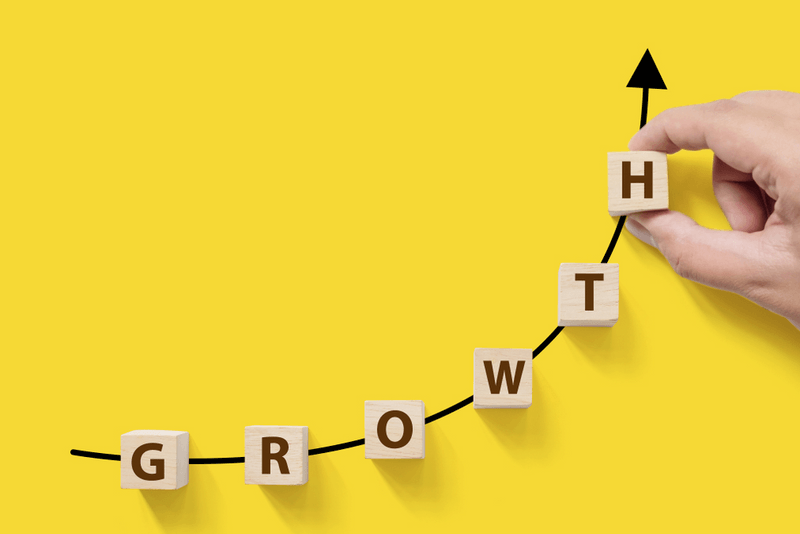
What is Growth Marketing and how it can help you

Introduction

If you’re a business owner, chances are you know that marketing is one of the most important aspects of your brand. Especially if you have a small business or just starting out on your own, it can be difficult to allocate sufficient time and money towards marketing. However, it is important to understand that there are different kinds of marketing techniques, each with its own benefits and drawbacks. One such technique is growth marketing—also known as digital marketing, digital strategy or customer acquisition strategy—which has become increasingly popular among businesses as a way to increase sales through an effective online presence and other digital platforms such as social media channels or mobile apps and websites.

What is growth marketing?

This type of marketing follows a strategy that focuses on increasing the growth of a business. It is a process of finding new customers and increasing the value of existing customers. It is also known as growth hacking, customer acquisition and customer retention. Growth marketing can be used to build brand awareness, generate leads or increase sales conversions.

Growth marketers use specific techniques or tactics to achieve their goals:

  • They focus on acquiring users by using relevant content to reach target customers in the right place at the right time.
  • They track user behavior with analytics strategies like Google Analytics so they can improve their campaigns by measuring what works and what doesn't work based on data analysis rather than just gut feeling."

Growth marketing and its mechanisms

Growth marketing is a process that involves a series of activities, which can be categorized into three main topics:

  • Understanding your customer's needs and behaviors
  • Using data to understand their preferences and how they engage with your product or service
  • Creating content that addresses those needs and engages them with your brand

How to implement growth marketing in your brand

  • Understand your customers.
  • Identify your target audience.
  • Define your goals, objectives, and success metrics.
  • Create a customer journey map that outlines how each of your customers will experience the brand (and why they will keep coming back).
  • Create a marketing strategy that outlines how you'll communicate with your target audience in order to achieve these goals and objectives through different channels of communication. The marketing strategy should be supported by specific tactics like landing pages or email campaigns for each channel in which you plan to market. Include information on how often each tactic is going to be implemented as well as any other details needed (like what kind of images/videos are being used). If you have multiple brands, make sure you provide enough detail so that someone else could implement this plan if necessary!
  • Write down all your plans—this step is crucial for success because it forces us humans into action when we would otherwise procrastinate indefinitely! Making plans helps us visualize where we're going in life so it's important not just at work but also at home as well! A good way I've found helpful before writing anything down is brainstorming first—this can help come up with ideas faster than just sitting around thinking about them alone without any external stimulus whatsoever."

Growth marketing and the customer journey

The customer journey is the path a customer takes when they interact with your brand. It begins with awareness and ends in purchase. But it’s not as simple as that. The path a customer takes is influenced by many factors - their needs, interests, desires and much more.

The customer journey can be broken down into three stages:

  • Awareness – this is where you are just becoming aware of your product or service and its benefits
  • Interest – now that you know about the product or service but haven’t decided on whether to buy it yet
  • Decision - finally! You have made up your mind and will buy!

How to personalize the customer journey?

The customer journey is a vital part of the customer experience. It can be broken down into six stages:

  • Consideration
  • Researching
  • Interested and want more information
  • Ready to buy (consideration)
  • Buying process or purchase phase, including discovery of products, service options, and purchase decision making process (e.g., free trials)
  • Product or service usage

In order to personalize your customer journey, you need to understand what stage your customers are at in their journey. You also need to know how they feel about their experience at each stage.

Conclusion

Growth marketing is a tool that can help you grow your business. But it's not just about the numbers. It's about how customers feel and how they experience your brand, and it’s also about the data you collect on customers as they interact with your company.

Marketers are focused on making sure their companies are giving each and every customer what they want at all times—and more importantly, that those interactions result in more conversions or sales over time. They look at the entire customer journey from beginning to end, starting with someone who doesn’t know anything about the product or service (or even understands why it exists) to someone who uses it regularly and becomes an evangelist for the brand itself (a “superfan”).

This can help you build a better relationship with your customers, which in return will make them loyal. This will lead to more sales and revenue for your business. The best part is that it's not hard to implement this strategy since it involves using tools like social media, ads and email campaigns to reach out (and engage) with your customers.

About the author:

P O V: Digital strategist
Eliana Yahontova
  • Planning, analysis and report of digital campaign
  • Analyse user experience data
Go back to blog

GET IN TOUCH

SCHEDULE A DISCOVERY CALL WITH CALENDLY


We want to hear from you!